



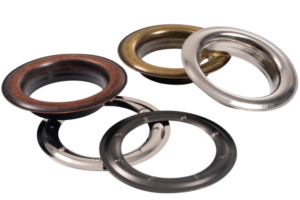
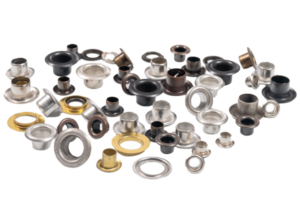
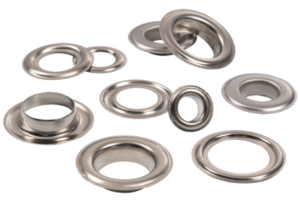
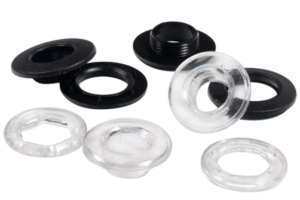


Did you know…
”That Fepatex produces its own eyelets?”



Laat meer zien
Laat meer zien
Laat meer zien
Laat meer zien
Laat meer zien

Your Eyelet specialist
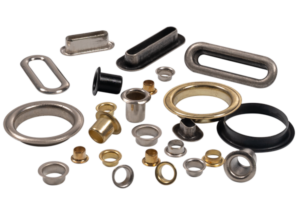
Fepatex offers a wide range of eyelets for different applications within the manufacturing industry. From industrial eyelets and curtain eyelets to heavy-duty, oval, self-piercing and special eyelets. It is not just about size or material, but above all about which eyelet best suits your product, processing method and required end quality.
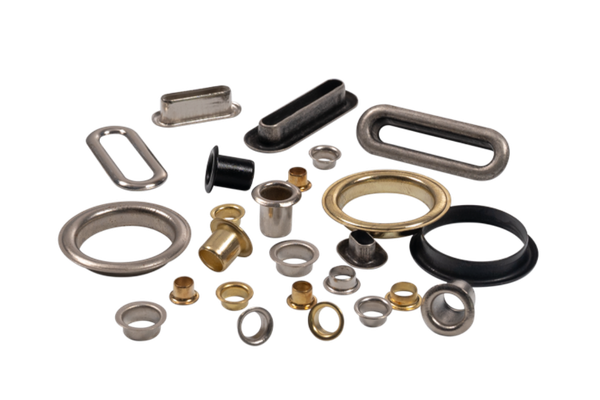
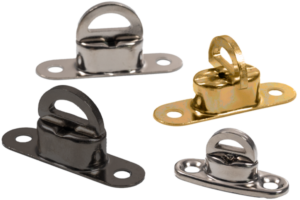
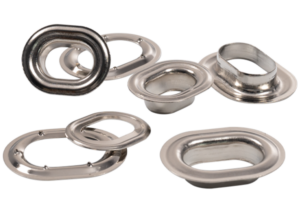
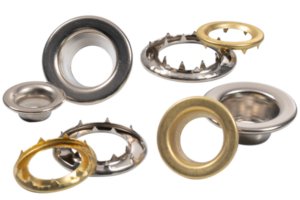
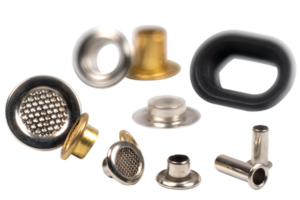
We supply eyelets for various applications within the manufacturing industry. These include industrial eyelets, heavy-duty eyelets, curtain eyelets, oval eyelets, self-piercing eyelets and special versions.
Each application requires a different balance in processing, appearance and load. That is why not only the size matters, but above all which type of eyelet best suits the product and the way it is processed.
View eyelets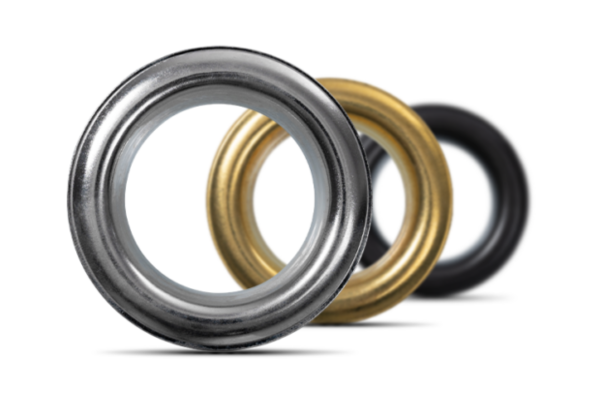
Our wide range includes eyelets made from brass, iron, stainless steel, aluzinc and aluminium. Each material has its own properties and is suitable for different applications and operating conditions.
The choice of material determines not only the appearance of the eyelet, but also its strength, processability and durability in use. That is why it is important to choose a material that fits not only the product, but also the application.
More about our materials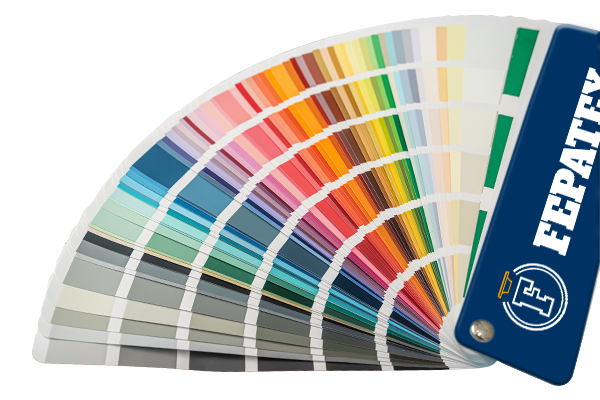
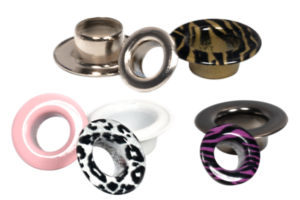
The colour or finish of an eyelet helps determine the appearance of the final product. For some applications, this is mainly an aesthetic choice. In other cases, the eyelet should match the material or the overall look of the product as closely as possible.
Fepatex offers various standard colours and finishes. We also think along with you when a specific colour or appearance is required. This means colour is not only about appearance, but also about how well the eyelet fits within the complete final product.
View our colour cards
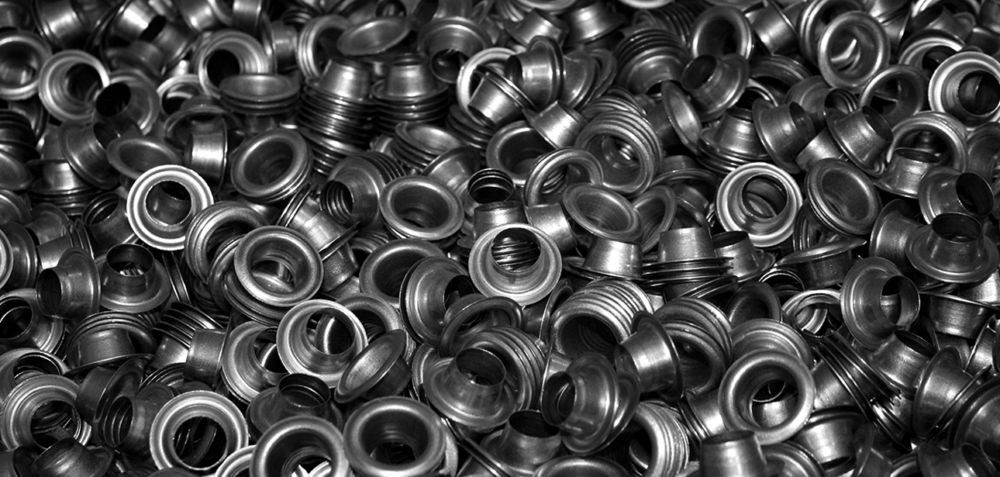
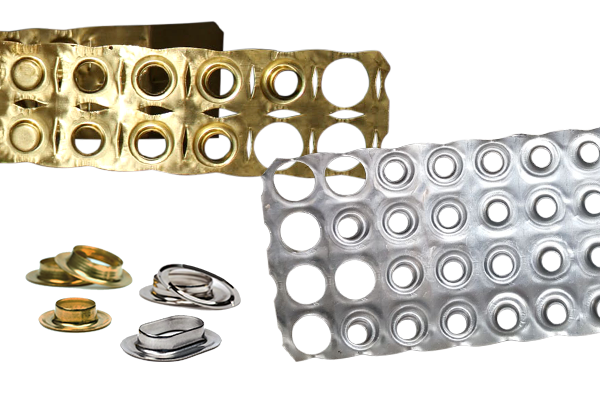
Eyelets are produced by punching different types of strip steel in various thicknesses. In this process, Fepatex combines traditional and modern production techniques and uses progressive dies to produce dimensionally accurate, high-quality eyelets.
This production process is important because it is directly linked to the consistent quality of the eyelet. Not only the shape, but also the choice of raw strip steel and the production method affect the final price, dimensional accuracy and reliability of the product.
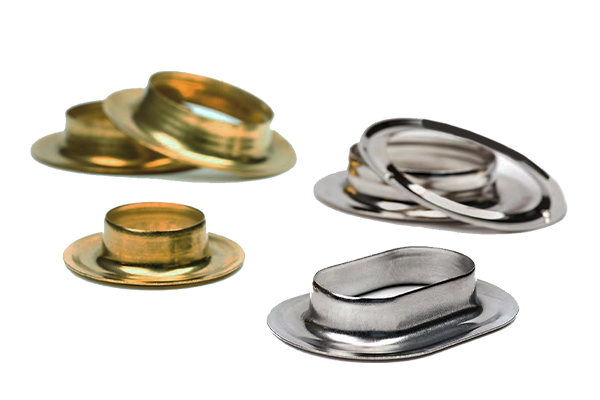
The thickness of the strip steel is matched to the size, type and application of the eyelet. This allows Fepatex to achieve the right balance between price and quality. Not every application requires the same construction, and that is exactly where the added value lies of a technically well-designed range.
The final price depends on several factors, such as the price per kilogram of strip steel, the batch size and the finish. For customers, this means that price cannot be seen separately from use, processing and service life. Choosing the right eyelet not only helps at the purchasing stage, but also contributes to a better and more consistent end result.
Fepatex not only helps customers with a wide range of eyelets, but also with making the right choice in type, material, finish and processing. This ensures that the eyelet matches not only the product, but also the process and the desired end result.
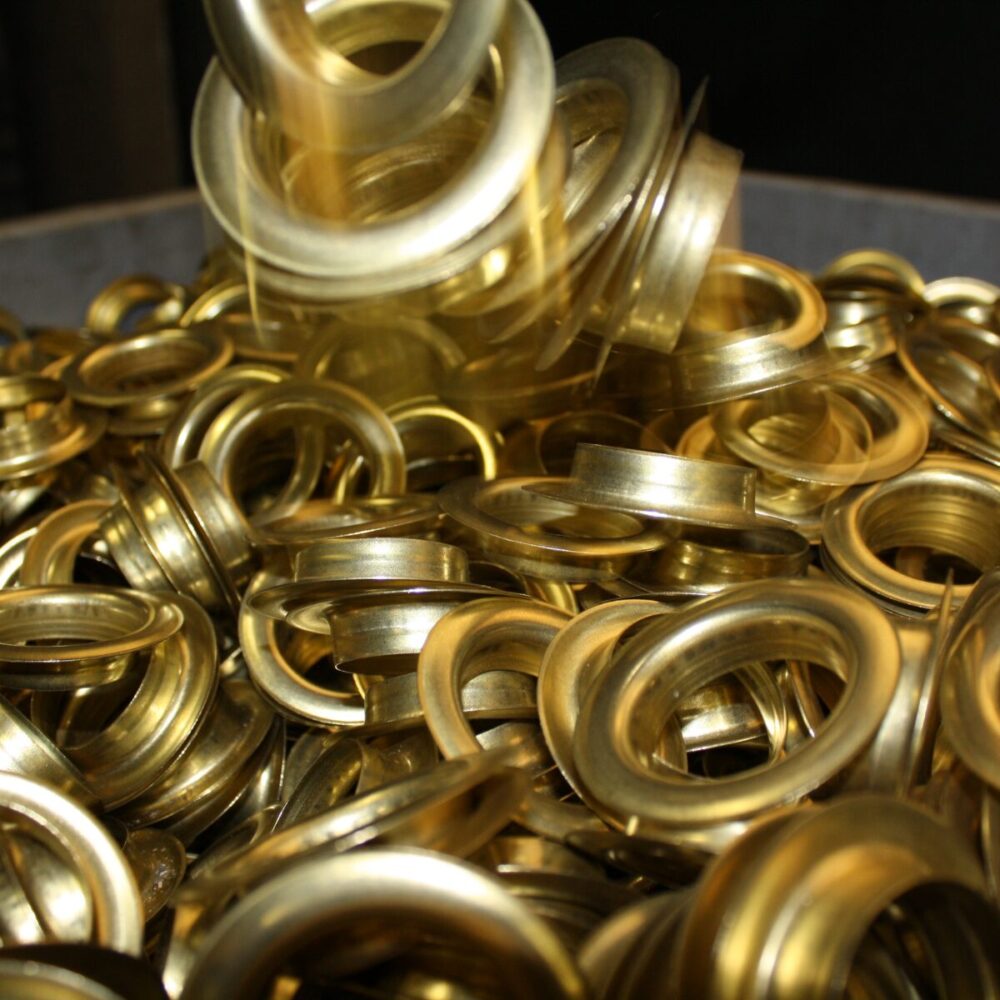
Explore the range of eyelets for different applications and product groups.
View catalog
Do you have a question about material, processing or the right eyelet for your product? Please contact us for tailored advice.
Contact us
Are you looking for a suitable eyelet for your application or production process? Request a quote and we will be happy to help.
Request a quoteWhen giving advice, we take various factors into account. It is important to know in which application you want to use the eyelet and what your specific requirements are.
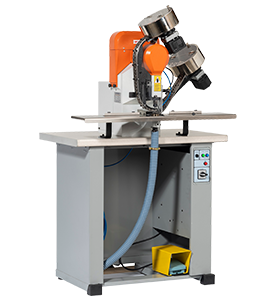
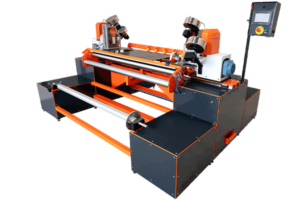
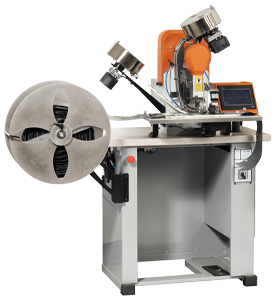
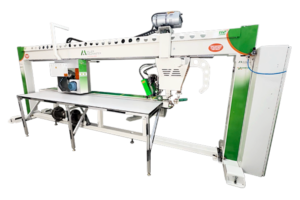
There are various methods for fitting eyelets into your material, and the choice of tool depends on the number of eyelets you want to apply and the capacity of the tool.
Our advice is as follows:
There are different types of backing rings that may be important for the finishing of your product, depending on the eyelet series you use. Below you will find the available options:
In principle, an eyelet can be fitted into almost any type of material. As long as a hole can be punched, either manually or with a machine, an eyelet can be applied.
At Fepatex, we prioritise quality over quantity. Our eyelets are produced in-house, which allows us to safeguard quality and always provide our customers with honest and suitable advice that matches their application requirements.
Fepatex cannot be held liable for incorrect use, any consequential damage or any other form of damage caused by the choice of material. As a customer, you are responsible for the selection, application, side effects and/or suitability of the final product. We only provide the correct information and the necessary advice to help you make a well-considered material choice for your final product.
Galvanising is a method that uses electricity to coat an object with a thin layer of metal, for example by electroplating with zinc, nickel or chromium. The process uses an aqueous solution in which the metal to be deposited is dissolved. As electric current passes through the product and the liquid, the metal particles are drawn towards the surface of the product. An electrochemical reaction then takes place, causing the dissolved metal to form a solid metal layer around the eyelet.
At our production facility, we carry out galvanising in an environmentally responsible way and maintain consistent, stable quality without causing harm or pollution to people or the environment. Using high-quality equipment and filtration systems, our eyelets are produced through an ecologically responsible process.
It depends on the eyelet series and material which colours are available. In many cases, in addition to the standard colours, the eyelets can also be supplied in RAL colours and trend colours. It is also possible to produce eyelets with a logo or custom print. Special versions are available on request.