







Workflow solutions
From separate steps to one smooth production flow
From separate steps to a more efficient process
In many production environments, the biggest delays do not occur within a single machine or operation, but in what happens between the steps. Materials need to be moved, rotated, corrected or temporarily handled. Workstations do not align properly, and operators lose time on actions that do not add direct value. This is exactly where speed, overview and control in the process are lost.
Fepatex therefore does not focus on a single machine or workstation, but on the complete path the material takes throughout production. From feeding and positioning to processing, finishing and rewinding. By aligning these steps more effectively, solutions are created that reduce unnecessary handling, lower physical effort and provide greater control, a more logical workspace and a smoother, more efficient production flow.
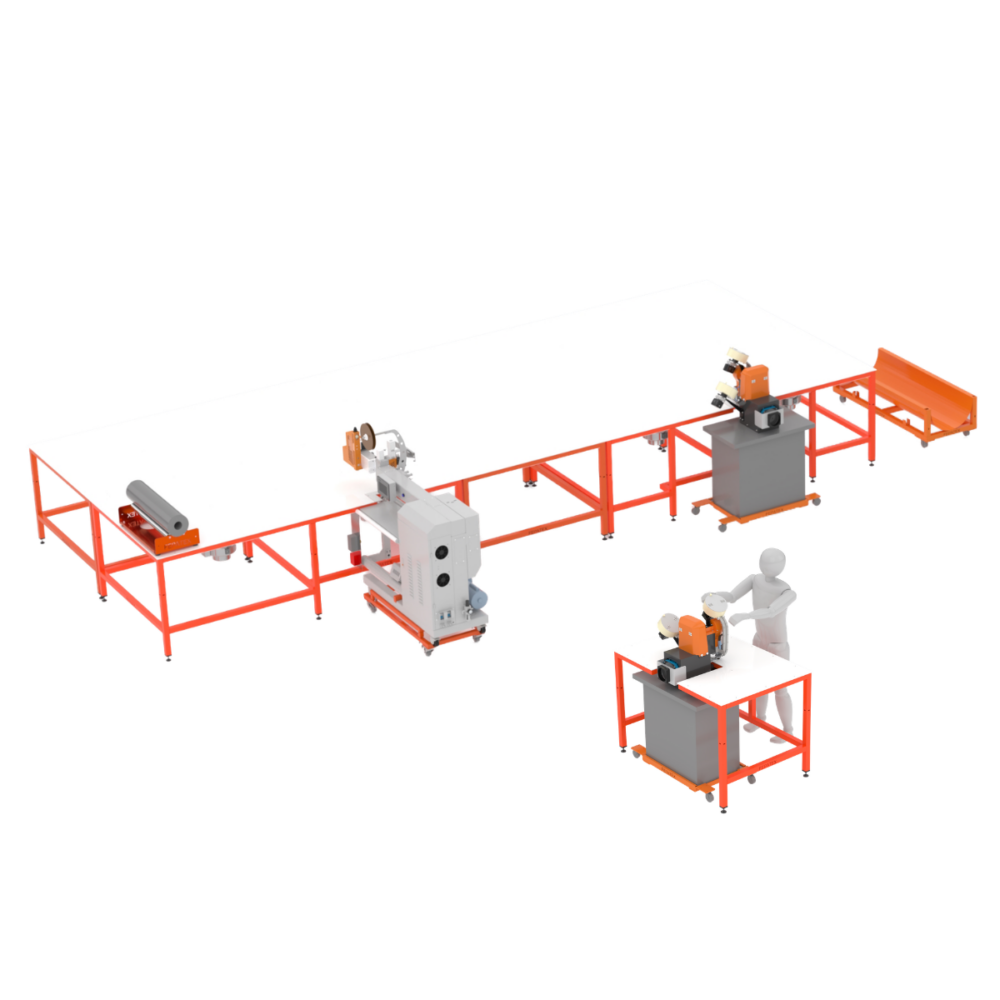
From separate steps to one integrated process
A better process does not start with a single product, but with a logical workflow setup. That is why Fepatex looks at how material enters the process, which steps it goes through, and where time, space or physical effort is lost.
With solutions for roll handling, workstation setup, machine integration and material flow, we help turn separate steps into one integrated process. And if a standard solution does not fit the practice well enough, we develop one that does.

More control
Material flows, workstations and operations connect more effectively. This creates better overview, more control and a production process that runs in a calmer and more predictable way.
Fewer steps
By reducing the need to move, correct and temporarily handle materials, less time and physical effort are lost. This results in a more efficient workflow and a more practical way of working.
A moving process
When each step connects logically to the next, fewer interruptions and less waiting time occur. This helps increase output and achieve more consistent production.
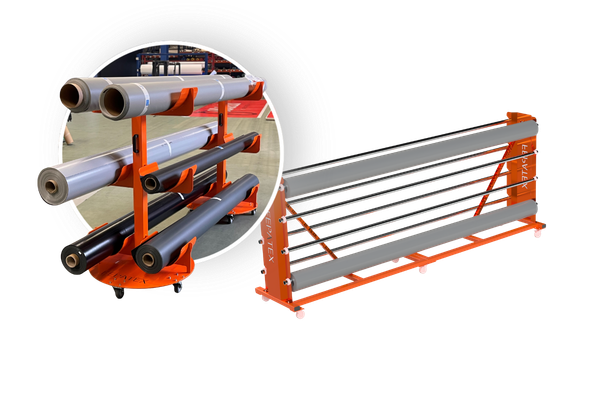
Roll handling
Large rolls are heavy, difficult to handle and hard to move in a controlled way. This takes time, increases the risk of damage and creates disruption in the process.
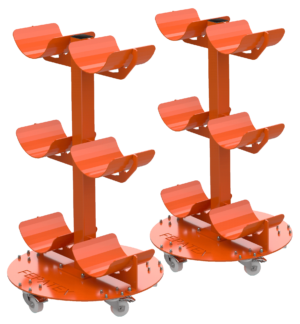
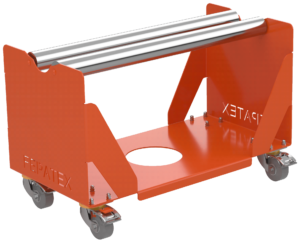
With the right solutions for unwinding, positioning, storage and internal transport, you create a controlled material flow that connects better to the next production step. Think of solutions such as Profitex roll racks, Easy Cubes, Roll Cubes, Roll Movers, Roll Trays and Roll Racks.
View roll handling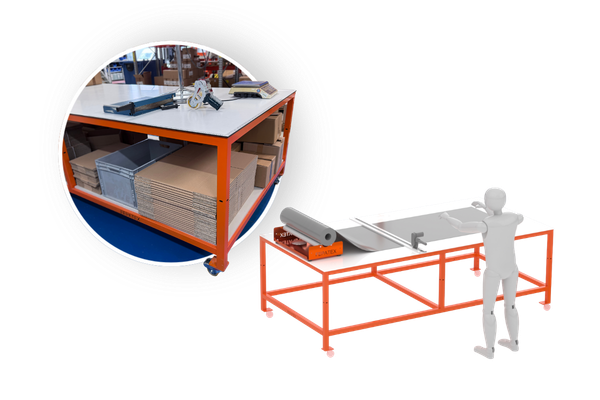
Printing
In printing processes, an unstable material feed has a direct impact on quality and continuity. When the material is not properly supported or guided, deviations in the process occur more quickly.
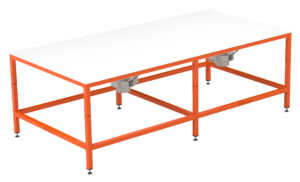
With a stable workstation and controlled material flow, the printing process connects better to the steps before and after it. Air tables and finishing tables, among other solutions, help process material more smoothly and accurately.
View confection tables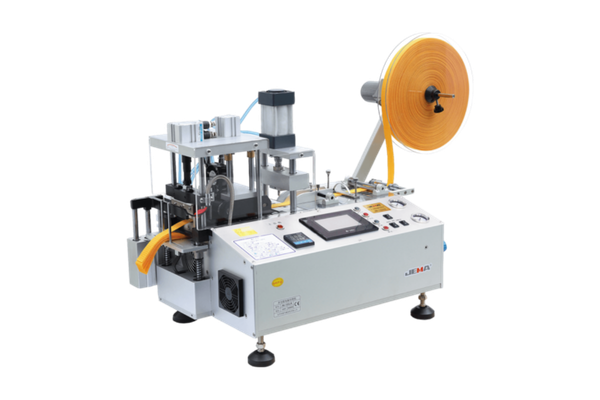
Cutting
Cutting processes quickly slow down when material has to be corrected manually or repositioned repeatedly. This takes time and increases the risk of inaccuracies.
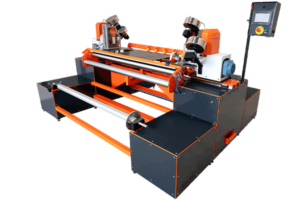
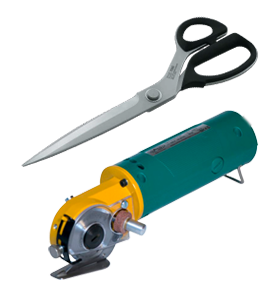
By aligning roll handling and cutting properly, you create a smoother material flow with fewer manual actions. Solutions such as webbing cutters, the Easy Runner, Rail Cutter, hot cutters and scissors help operators work faster and with more control.
View cutting and trimming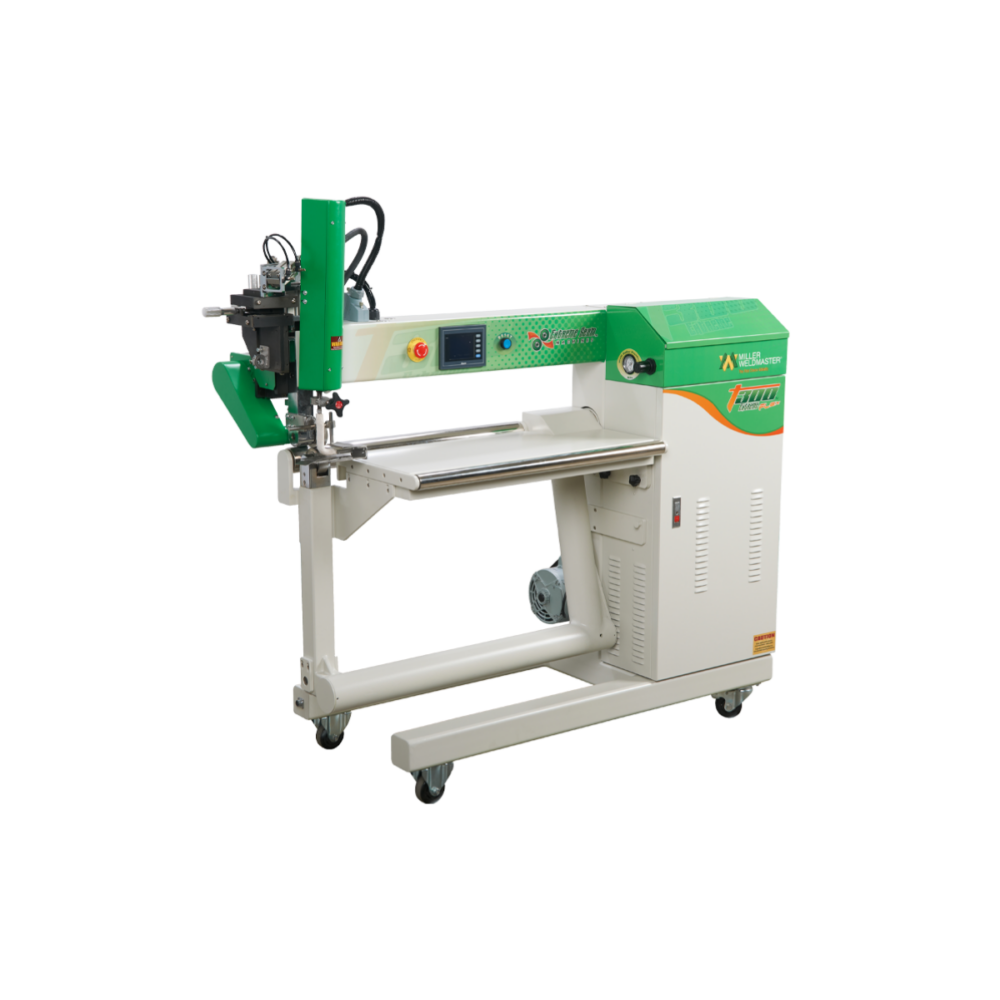
Welding
When material does not move through the process properly or does not lie stable, delays occur and the risk of errors increases. This affects not only speed, but also the quality of the weld.
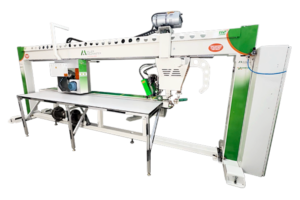
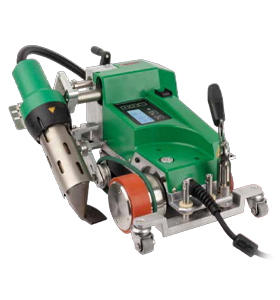
With well-organised workstations and a stable material flow, the welding process becomes more consistent and ergonomic. This also allows hot air tools, welding devices, welding machines and other supporting solutions to fit better into the rest of the process.
View welding machines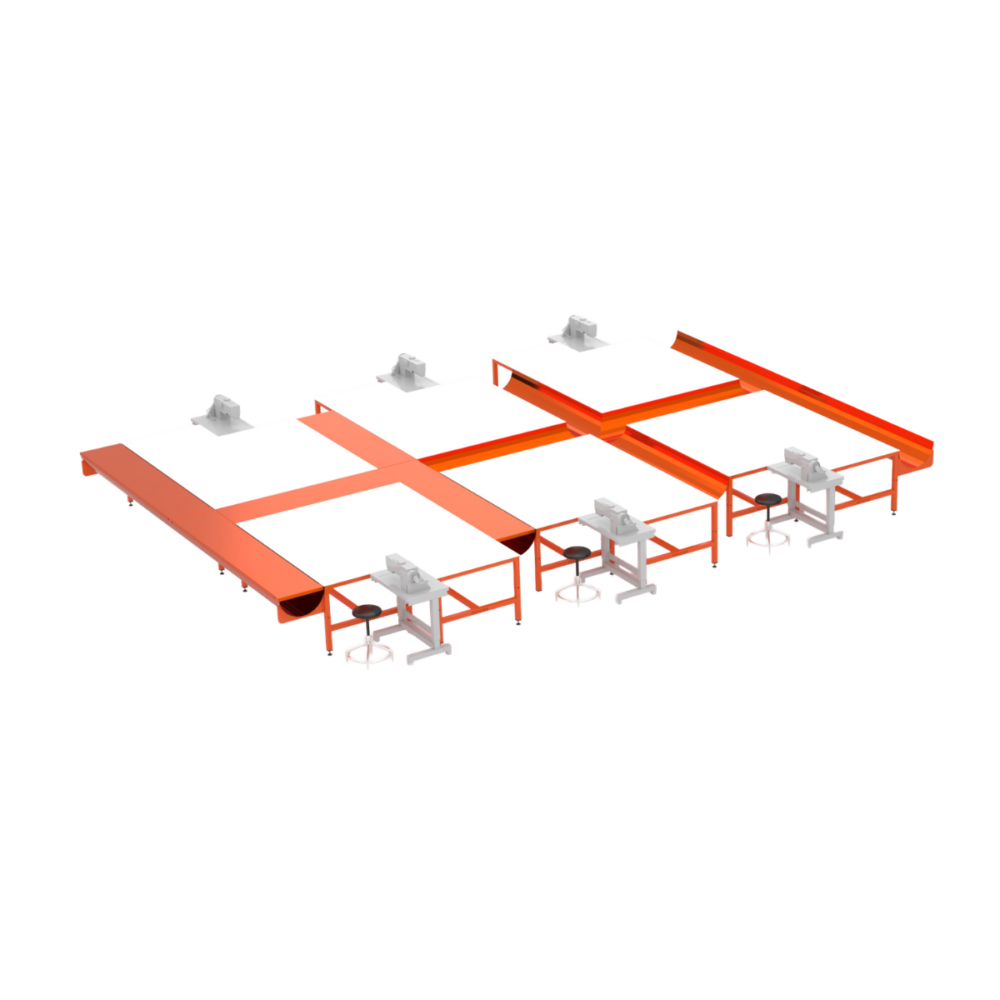
Sewing
With sewing work, good material support makes a big difference. Without that support, the work becomes heavier, less accurate and more difficult to carry out consistently.
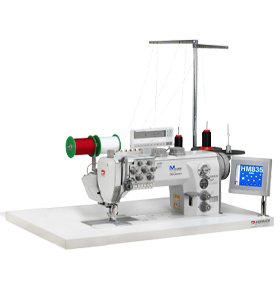
With smart workstation solutions and a stable setup, the material moves in a controlled way during sewing. This provides more control, less physical strain and a more comfortable working process. Machine tables play an important role in this.
View machine tables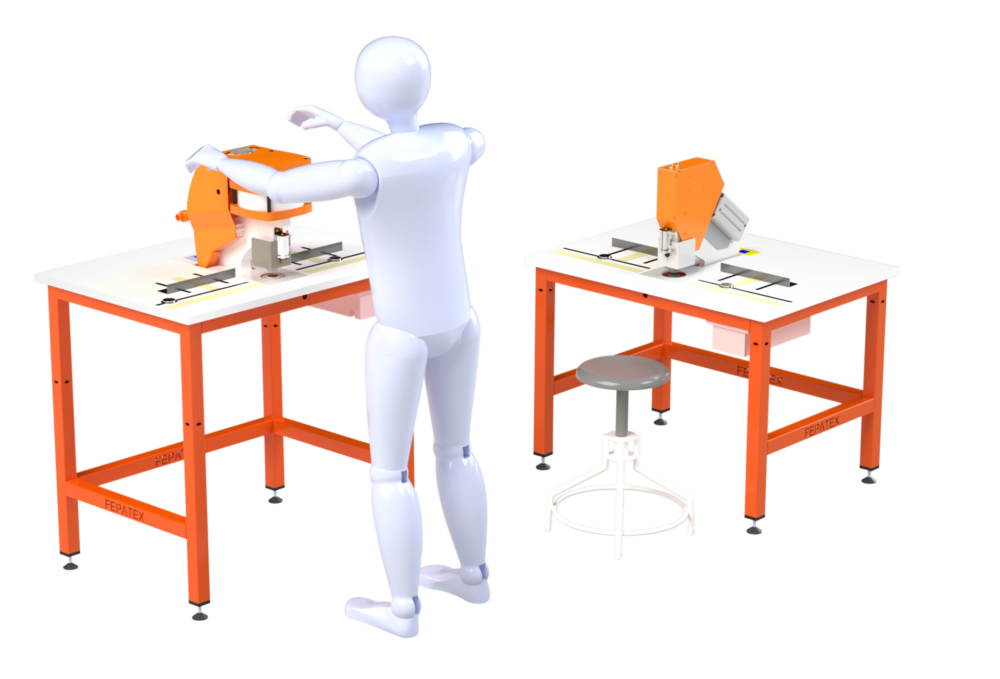
Eyeleting & Finishing
In finishing, a lot of time is lost when tasks take place separately or when workstations are not organised logically. This affects both speed and end quality.
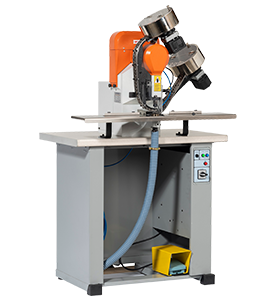
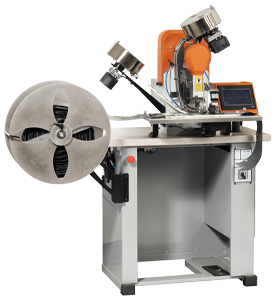
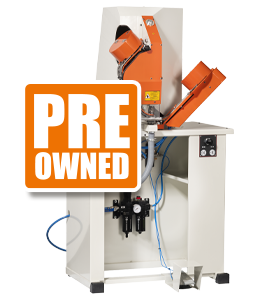
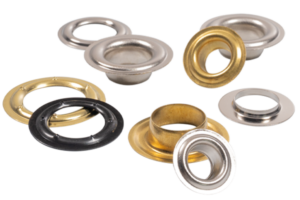
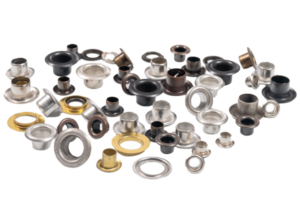
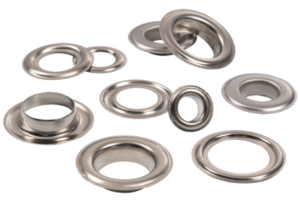
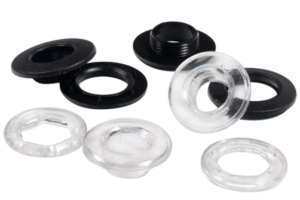
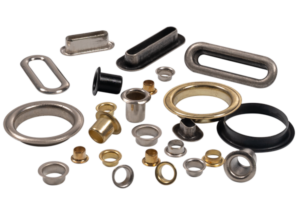
By integrating eyelet machines and workstations intelligently into the process, you create a finishing step that is faster, more consistent and easier to control. Machine tables and integrated setups help operators work more accurately and with greater ease.
Rewinding
Time is often lost at the end of the process as well. Manual rolling, moving and collecting of material creates extra strain and unnecessary delays.
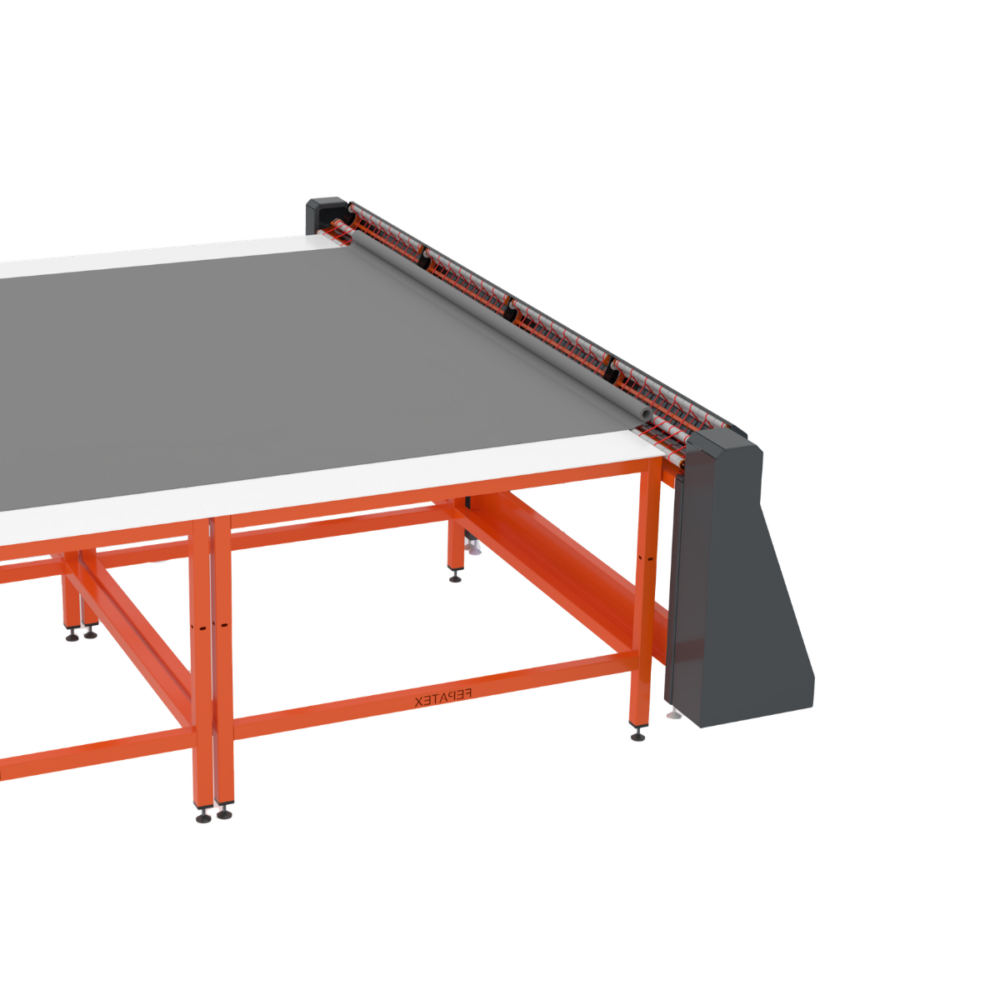
With the right roll handling solutions, products can be rolled up in a controlled way and guided further towards storage, packaging or the next step in the process. Think of solutions such as Profitex roll racks, the Roll Master, Easy Cubes, Roll Cubes, Roll Movers, Roll Trays and Roll Racks.
View Roll Master


“Within large-scale artificial grass production, the handling of heavy rolls is often a bottleneck. By integrating the Air Tables and customised Roll Towers from Fepatex, we have been able to fundamentally improve our workflow. Where physical strain and logistical delays previously limited output, this tailored solution now creates a seamless flow in our finishing line. Fepatex understands the specific requirements of our sector; their systems are not only technically strong, but also make a directly measurable contribution to our operational efficiency and scalability.”
— Jan Janssen, Chief Operations Officer (COO) at a market leader in synthetic turf solutions
Who workflow solutions add value for
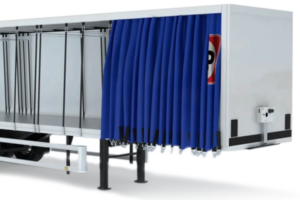
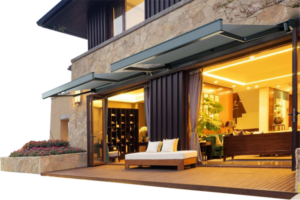
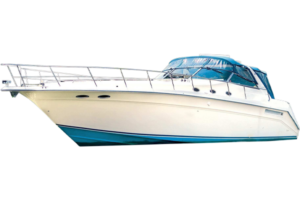
These workflow solutions are relevant for companies working with large rolls, long material lengths or flexible materials, where multiple production steps need to connect properly. This includes sign and display, industrial textile fabrication, sailmakers, sun protection, curtain manufacturing, fashion and other textile processing environments.
In these sectors, the greatest gains often come from improving the route the material takes through the process. Less lifting, fewer corrections and less downtime create more overview, more control and a better-functioning production floor.